Buying Or Selling Your Charlotte Home With Dodd-Frank

There are a lot of articles and summaries of the Dodd-Frank law and most of them seem to be written by academic types that make it difficult to understand by the everyday consumer and agent(like me).  The law is intended to protect consumers from preditory lending that helped kill the housing market.  There also provisions aimed directly at banks, bailouts and the like.  However, much of that language is intended for lawyer types and don’t affect the everyday consumer day to day.

There are a few things to note if you are buying or selling real estate.  There is much confusion in a lot of this and I am sure there will continue to be tweaks and different interpretations.  One of the first ones to address is the risk factor that lenders are now required to expose themselves to.  This is an area that, to be honest, I do not have a firm grasp.  Having said that, I will try to give a brief explanation.   Basically if a lender is going to make a loan that is risky (supposedly a loan where less than 20% is put down by a buyer), the originating lender has to retain 5% of loan amount  to help mitigate any defaults.  The question becomes (1.  Where is the 5% coming from, 2.  Will the lender even make a loan to someone without 20% down).  Both these by definition affect the buyers pocketbook!  One caveat to this and something that makes it even more confusing, Dodd-Frank also has provisions and/or rules that affect how much a lender can charge.  So….what will they do!   Only time will tell.

This leads us to the rules about how much a lender can charge.

Loan originators can still base their fee (called points) on the loan amount. However, under Dodd-Frank loan originators can’t charge the buyer points and collect an origination fee from the lender (called rebate financing). The lending industry is still working on compliance requirements, and the April 1 start date could be delayed.

Although the intent of the legislation is to protect consumers from being overcharged, there could be complications for buyers trying to get approved for a mortgage in a timely fashion. Most buyers don’t know when they make an offer if they want a loan with points or a no-point loan with a higher interest rate. Dodd-Frank could make it more difficult to move from one loan product to another.

 Here is a buyer tip.  In addition to checking on rates and loan costs, ask about the process and cost of changing loan products mid-stream.

One more thought about selling your Charlotte area real estate home.  While not directly related to Dodd-Frank, the appraisal process has become one of the biggest deal killers.  Lenders are no longer allowed to choose or even talk to an appraiser.  The process has brought appraisers to appraise homes completely out of their geographic area or comfort level.   However, it is not illegal for the sellers agent to talk to appraisers.  At Carolina Living Real Estate, we recommend to our agents they do two things to mitigate these potential problems.

1.  We will meet the appraiser at the home and share our comps to assist with how we came up with our selling price.

2. We recommend but don’t require that our sellers get a pre-listing appraisal.  This has been huge in our ability to get homes sold.

3.  We refrain from taking overpriced listings.


Due Diligence In Our Contract – An Important Perspective

Our new Offer To Purchase that was put in affect in January of 2011 has brought on some much needed fairness to the seller.  The seller is paid a due diligence fee by the buyer to allow the buyer to investigate the property.

Really the most important aspect of buying a house is now in the preparation.  It never should have been up to the seller to determine the buyer’s credit worthiness.  Now that we have a due diligence period, the contract should only be about the property.  After all it is an offer to purchase a property.

The buyer should investigate his/her credit worthiness and be comfortable with it before EVER writing a contract.  You see the due diligence will only really work as intended if the buyer is pretty sure they can be approved for a loan.

So, what are the steps for loan approval?

Pre-Qualification
This occurs when the buyer provides information about income, assets and liabilities to a lender and allows a credit report to be run.
Pre-Approval
This step requires confirmation of income and assets through thorough documentation like bank statements, paystubs, W2’s and tax returns.
Final Approval
This occurs when all information is validated and an appraisal is completed that is acceptable to his/her lender.

So where should the buyer be before writing an offer?  They should have completed the Pre-Approval process.  This would only leave selecting the property and having the appraisal done along with other ‘property’ inspections.  You see the due diligence should only include issues with the home and not issue with the buyers credit worthiness.

If the buyer is PREPARED, the due diligence period can be done in 10-15 days and the due diligence amount can be a small sum of money or ZERO!


Squatter Nation – Years Without A Mortgage Payment

According to a recent article at CNN-Money, Some 4.2 million mortgage borrowers are either seriously delinquent or have had their cases referred to lawyers to pursue foreclosure auctions, according to LPS Applied Analytics.

Nationwide, it takes an average of 565 days to foreclose on borrowers in default from their first missed payments to the final auction. In New York, the average is 800 days and in Florida, where the “robo-signing” issue is particularly combative, it’s 807.

In this article specific examples were given where borrowers have stayed in their homes as long as 5 years without making a mortgage payment.

An example of what has happened across the nation:

A borrower purchased a two-bedroom on Tampa Bay in 1998 for $135,000.

As the waterfront property’s value skyrocketed, eventually reaching $750,000, they refinanced twice (once to expand a business), and took out a second mortgage. They now owe more than $600,000 on the home, which is worth only $235,000.

Until we get out of this mess, the housing market will continue to drag!  However if you are looking to buy a foreclosure in the Charlotte and Lake Norman areas, the time may be right.

Check out our FREE list of foreclosures

Lake Norman Foreclosures

Charlotte Foreclosures

According to RealtyTrac -1 in 4 Sales Was A Forclosure

This information is courtesy of Inman News.

Foreclosure sales accounted for 26 percent of U.S. home sales in 2010, with those properties selling for more than 28 percent less, on average, than homes not in the foreclosure process, data aggregator RealtyTrac said in its latest report.

A total of 831,574 U.S. residential properties either owned by banks or in some stage of foreclosure sold to third parties in 2010, a decrease of 31 percent from 2009 and a decrease of nearly 14 percent from 2008, RealtyTrac said.

Homes in foreclosure accounted for a larger percentage of sales in 2009 — 29 percent — but their share of total sales was up from 23 percent in 2008.

While controversy over loan servicers’ handling of foreclosure paperwork put a dent in fourth quarter foreclosure sales, the impact of the so-called robo-signing controversy seemed to be waning in the final month of the year.

RealtyTrac recorded a total of 149,303 foreclosure sales in the fourth quarter, down 22 percent from the previous quarter and down 45 percent from the same period a year ago. That decline was in spite of a 21 percent monthly uptick in foreclosure sales volume in December.

“The catch-22 for 2011 is that while accelerating foreclosure sales will help clear the oversupply of distressed properties and return balance to the market in the long run, in the short term a high percentage of foreclosure sales will continue to weigh down home prices,” said RealtyTrac CEO James Saccacio in a statement.

A total of 512,886 bank-owned (REO) properties sold to third parties in 2010 at an average discount of 36 percent, up from an average discount of 33 percent in 2009.

Another 318,688 pre-foreclosure properties — homes in default or scheduled for auction — sold to third parties in 2010 at an average discount of 15 percent, down from an average discount of nearly 17 percent in 2009.

In North Carolina :

Foreclosure Sales = 10,315
Percent of All Sales = 11.69
Average price = 146,261
Average Discount Percent 25.8

Looking for a Charlotte Forecloure

Looking for a Lake Norman Foreclosure

10 Pieces of Paper You Must Round Up to Buy (or Sell) a Home

I recently read a great article on Trulia.com by Tara-Nicholle Nelson.  It speaks to the difficulties in buying and selling real estate with regard to the documentation you will need to actually buy or sell a home.  Buyers and Sellers are both becoming very frustrated with the numerous requests made by lenders for more documentation.  It is best to be prepared.  Tara was kind enough to provide the following list and explanation.

  1. ID (e.g., driver’s license, state-issued ID, passport).  Who must produce it?  Buyers and sellers.  Why?  Uh, hello!?!  Lender wants to know that you are who you say you are, buyers, and the title insurance company wants to make sure, sellers, that you actually have the right to sell the home.  Funny enough, this commonly goes unrequested until you get to the closing table, when the notary requests to see it before signing, but some mortgage brokers and even some real estate brokers and agents may ask to see it earlier on.
  2. Paycheck Stubs.  Who must produce it?  Any buyer financing their purchase with a mortgage.  Sellers, usually only in the case of a short sale.  Why? Buyers’ purchase price ranges are determined, in part, by their income. And short sellers have to prove an economic hardship.
  3. Two months’ bank account statements. Who must produce it?  Buyers getting financing; sellers selling short. Why? Buyers’ lenders now require proof of regular income and proof that the down payment money is your own.  Short sellers?  It’s all about the hardship.
  4. Two years’ W-2 forms or tax returns. Who must produce it?  Mortgage-seeking buyers and short selling sellers. Why? Banks want to see a stable, long-term income. They also limit you to claiming as income the amount on which you pay taxes (attn: all business owners!). And in short sales, again, they want documentation of every single facet of your finances.
  5. Updated everything. Who must produce it? Buyer/mortgage applicants. Why? Because things change, and because the time period between the first loan application and closing can be many months – even years! – on today’s market. During the time between contract and closing it’s not at all unusual for underwriters to demand buyers produce updated mortgage statements, checks stubs, and such – and its quite common for them to call your office the day before closing to request a last minute verification of employment!
  6. Quitclaim deed. Who must produce it?  Married buyers purchasing homes they plan to own as separate property.  Married sellers selling homes that they own separately, or joint owners selling their interests separately.  Why? With the Quitclaim Deed, the other spouse or owner signs any and all interests they even might have had in the property over the the selling owner, making it possible for the title insurer to guarantee clear, undisputed title is being transferred in the sale.
  7. Divorce decree.  Who must produce it? Buyers and sellers who need to document their solo status or the property-splitting terms of their divorce. Why? Again, to ensure that the seller has the right to sell.  Recently single buyers might need to prove that they shouldn’t be held to account for their ex’s separate debts or credit report dings.
  8. Gift letters.  Who must produce it? Buyers using gift money toward their down payment. Why? The bank wants to be sure the gift came from a relative, and is their own money to give.  They also want the relative to confirm in writing that it’s a gift, not a loan – a loan would need to be factored into your debt load.
  9. Compliance certificates. Who must produce it? Usually sellers, but sometimes buyers, by contract. Why? Some local governments require various condition requirements be met before the property is transferred, like some cities which require a sewer line be video scoped and repaired, cities which require a checklist of items be met before a certificate of occupancy be issued (usually relevant to brand new and really old homes, the latter of which are often subject to lead paint concerns) and energy conservation ordinances which require low-flow toilets and shower heads to be installed. Ask your real estate pro for advice about which, if any, such ordinances apply in your area.
  10. Mortgage statements. Who must produce it?  Any seller with a mortgage. Why? the escrow holder or title company will need to use them to order payoff demands from any mortgage holder who has to get paid before the property’s title can be transferred.

You can read the entire article on Trulia.


Carolina Living Referral Company For Agents

We have recognized that the market it very tough on agents. Many agents have worked very hard on obtaining a license but are finding it difficult to stay on the business. We feel it is important that these agents keep their license active (they worked very hard for them).

We wanted to give these agents a home to hang their license at a very minimal cost ( $25.00 a year ). They can also give Carolina Living Real Estate agents referrals and legally receive a 25% referral fee.

If you are an agent and find yourself in this situation, contact us and we can easily and quickly align you with our referral company, set up specifically for you!

To Stage Or Not To Stage

http://www.thevirtualtourpeople.com/

Actually a seller should never be asking this question.  It is the wrong type of thinking if the seller is serious about selling his/her home.

The better question is ‘How should I stage?”  We Realtors, at Carolina Living Real Estate, are quick to tell our sellers that there are things we have no control over and other things that we have total control over.  It is the things we can control  that we try to address when we work with our sellers.

The process of preparing a home to put it on the market – from simple clean-up and clean-out to extensive repairs and improvements-always directly impacts how quickly a home will sell and for what price!

In fact a review that was published in USA Today stated that of 2800 properties in 8 cities found that “staged homes on average, sold in half the time as non-staged homes did.  They also sold for over 6% more than non-staged homes on average.

The hardest part for a seller is getting past their own personal tastes. We Realtors understand that sellers have spent lots of money and time personalizing the home the way they like it.  However, the moment the home goes on the market, a seller’s personal taste must go out the window.  It is now time to have it as a buyer pleases!

The house must appeal to the largest possible segment of likely buyers.  In today’s market, with fewer buyers, it become imperative.

Some sellers are justifiably concerned about costs of staging especially for homes that are vacant.  If you can’t afford to actually stage the home with furniture,worry no more.  The above picture from Ark-La-Tex Virtual  Tours can take your vacant house and convert it to a gorgeous home online using virtual staging!

Lake Norman Awaits You

Offered by Carolina Living Real Estate

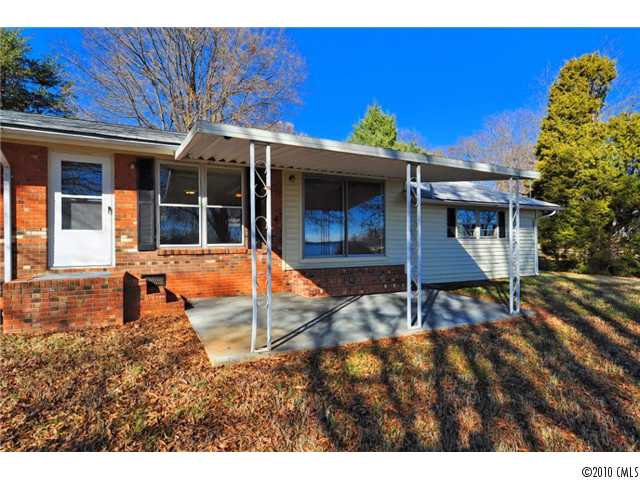
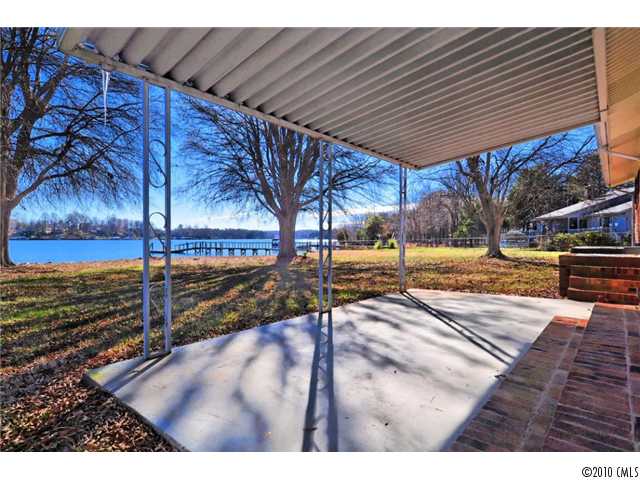
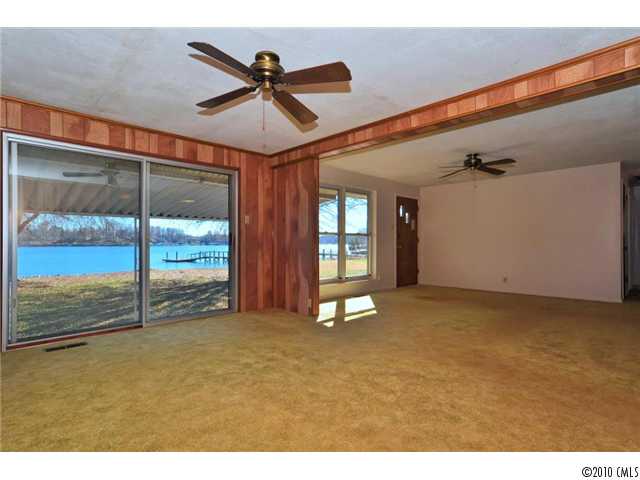
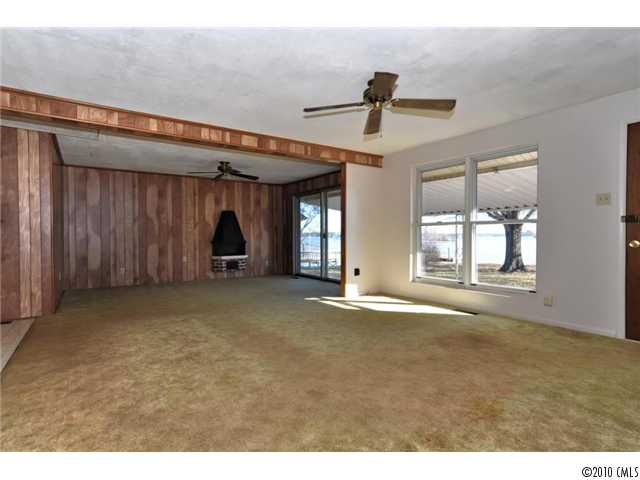
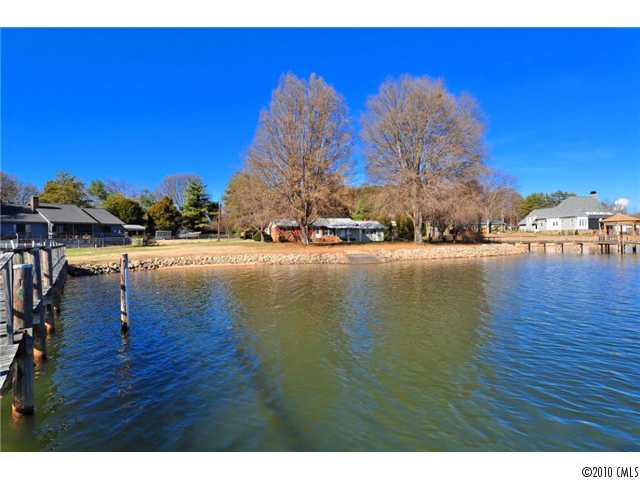
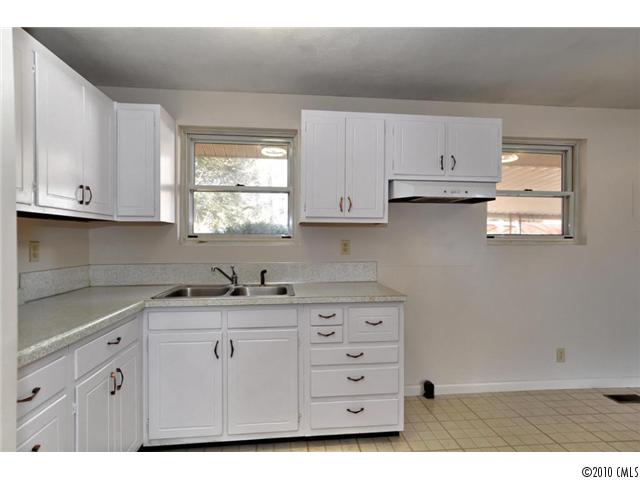
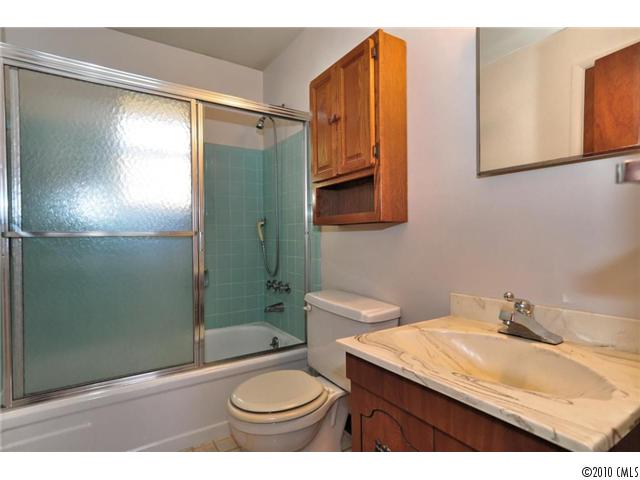
DEEP WATER! Experience Lake Norman the way it used to be- No HOA, no thru traffic and clear view of stars at night!   Hard to find flat lot with mature hard woods has rock wall to keep rise in lake levels at bay.   Older home has been freshly painted, cleaned and would be ideal as vacation, year round, or the framework for the home of your dreams on this unique waterfront property.

See this Lake Norman Waterfront Home Virtual Tour

[property_details details=”1″]